ClearConvo Speech Therapy

Childhood Apraxia of Speech (CAS)

They know what they want to say. But getting the words out can take much more effort than it should.

If that sounds like your child, it might not be a speech delay, it could be Childhood Apraxia of Speech (CAS), a motor speech planning disorder with its own evidence-based therapies. ClearConvo's speech pathology team is trained in three of the programs Australian and international research supports several evidence-based approaches for CAS, including NDP3, ReST and IPA.
Adult woman on the left and a girl on the right seated at a table. The woman is pointing to her chin to show the girl how to position her mouth during a speech therapy session for childhood apraxia of speech (CAS). The girl is smiling up at her.

You're not imagining it

Most parents who land on this page have already noticed something isn't quite adding up, and may have already been told to “wait and see.” For a lot of speech and language differences, that's reasonable advice. For Childhood Apraxia of Speech, it usually isn't.

Babies & toddlers

  • Limited babbling or vocal play as an infant — often described as a “quiet baby”
  • Feeding difficulties or difficulties with sucking, chewing or swallowing may also be present
  • Few or no words by the age other children are starting to talk
  • Relies mostly on gestures, vowel sounds and noises to communicate
Preschool age
  • Says the same word differently almost every time they say it
  • Visibly searches or struggles to find the right mouth position before speaking
  • Uses a small, limited set of consonant sounds
  • Mixes up the order of sounds within words
  • Speech may be difficult for unfamiliar listeners to understand, particularly as words become longer or more complex
School age
  • Still hard to understand outside the immediate family, especially with longer words
  • Speech sounds slow, effortful, or oddly stressed and sometimes described as robotic
  • Understands language well but expressing thoughts clearly is a real effort
  • Emerging difficulties with reading, spelling or writing alongside the speech difficulty
None of this is a checklist for a diagnosis. Childhood Apraxia of Speech (CAS) is diagnosed by a speech pathologist through a proper assessment, not a list on a website. But if several of these sound familiar, it's worth getting that assessment rather than waiting to see if it resolves on its own.

Why early assessment matters

Childhood Apraxia of Speech is rare. Current estimates suggest that it affects around 1 in 1,000 children (Source: MCRI). Because it's uncommon, and because from a distance it can look similar to an everyday speech delay, it's genuinely easy for it to be missed, or put down to something a child will simply grow out of.
"
Childhood Apraxia of Speech is rare, by current estimates, it affects roughly 1 in every 1,000 children.
— Murdoch Children's Research Institute (MCRI)
It's different from most speech difficulties in one important way. It isn't caused by weak muscles, confusion about language, or shyness. Children with CAS usually know what they want to say. They may be able to move their lips, tongue and jaw well for eating and facial expressions for eating or pulling a face. The difficulty sits in the brain reliably planning and sequencing the specific movements speech needs, word by word, every time. That's why the same word can come out sounding different each time it's said.
Unlike many speech delays, CAS doesn't resolve by itself, and it's considered a lifelong condition. That's not a bleak outlook — it just means the therapy needs to be built for how CAS actually works, and tends to go better the sooner it starts.

Why the speech pathologist you choose matters

Because CAS involves speech motor planning and programming, treatment may need to include approaches specifically designed for motor speech difficulties rather than relying solely on traditional articulation or phonological therapy. Speech Pathology Australia's own guidance for families is direct about this: it's entirely reasonable to ask a speech pathologist whether they actually work with CAS, and what training they have in the research-based programs for it, before committing to months of sessions.
NDP3 and ReST are two approaches with a strong evidence base for CAS, and Andrea's training in both allows her to consider which approach is most appropriate for an individual child.
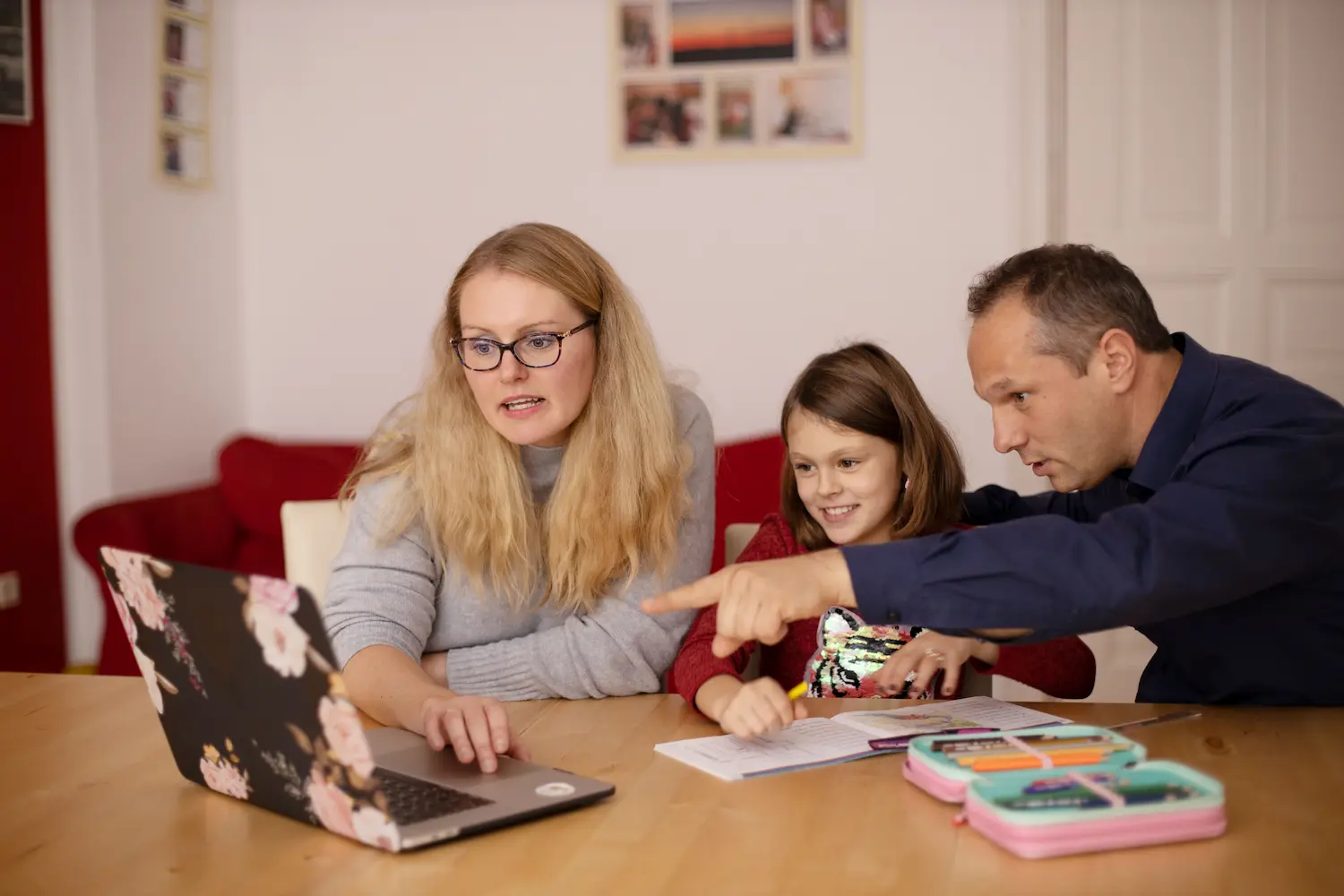
Mother and father with their young daughter at the table. They are viewing a laptop and the father is pointing at the screen as part of their childhood apraxia of speech (CAS) speech therapy session by telehealth.

The person your child will actually work with

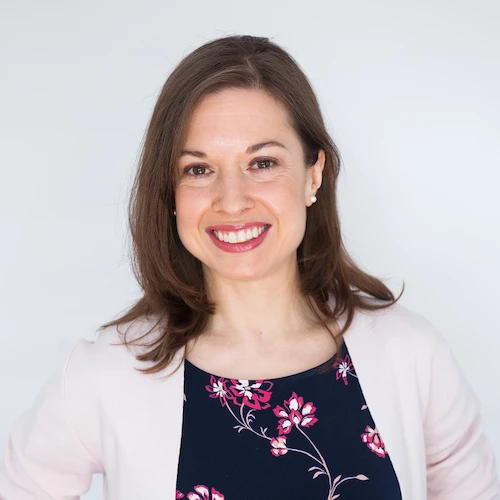
Portrait of Andrea Wilson, Certified Practising Speech Pathologist with Speech Pathology Australia

Andrea

Senior Speech Pathologist
Speech Pathology Australia logo.

trained in

  • The Nuffield Dyspraxia Programme (NDP3)
  • ReST for Childhood Apraxia of Speech (ReST)
  • Integrated Phonological Awareness (IPA)
Andrea is the senior speech pathologist behind ClearConvo. Her caseload spans children and adults with a wide range of communication difficulties, with particular depth in motor speech disorders, the category Childhood Apraxia of Speech falls under.
For families dealing with CAS specifically, Andrea has trained in both the Nuffield Dyspraxia Programme (NDP3) and Rapid Syllable Transition Treatment (ReST). Rather than running every child through the same program because it's the one she knows best, she assesses each child's age, speech profile and stage, chooses — or blends — the approach the evidence favours for them, and reviews it as they progress.
She sees ClearConvo clients face-to-face across Brisbane's western suburbs, and by telehealth anywhere in Australia — including families who've never had access to a speech pathologist trained specifically in CAS before.
“My job isn't to give your child more speech therapy. It's to make sure the therapy they're getting is actually built for apraxia.”
— Andrea Wilson, Senior Speech Pathologist at ClearConvo

What actually happens, step by step

1
Get in touch
No referral required. Contact ClearConvo directly, or ask your health professional or NDIS support coordinator/LAC to refer you. Whichever's easier for your family.
2
A proper assessment
Andrea runs a thorough speech and motor-speech assessment, including multiple speech tasks, dynamic assessment, an examination of oral movements and structures, and hearing, and enough conversation to understand how the difficulty affects your child day to day.
3
A plan built around your child
Using the assessment results, Andrea considers whether NDP3, ReST, IPA, another evidence-based approach, or a combination is appropriate. She takes into account your child's age, speech profile and goals, then develops a plan focused on changes you'll be able to notice in everyday communication.
4
Focused, intensive blocks
Research supports intensive, individualised practice for CAS. Depending on the child and treatment approach, this may involve several sessions per week delivered in a focused block rather than a single session spread across a long period.
5
Review and adjust
Progress is checked against real, functional speech goals, not just attendance and the plan shifts as your child's speech does.
no doctor or specialist referral required

Questions parents usually ask

How is CAS actually diagnosed?

By a speech pathologist through a comprehensive motor-speech assessment — not from a single word list or a quick chat.

The assessment looks at patterns such as consistency, speech movement transitions, accuracy and prosody across different tasks and contexts, while considering other possible speech, language and motor explanations. Dynamic assessment can also help determine whether a child's speech responds to different cues and supports. Andrea also checks hearing and oral-motor movement as part of ruling other explanations in or out.

Could this be another speech sound disorder?

Possibly. CAS shares some features with other speech sound disorders, which is why a comprehensive assessment matters. The assessment looks at how consistently your child produces sounds, how they transition between sounds and syllables, their prosody, and how their speech responds to different cues.

Could my child benefit from AAC?

Some children with CAS benefit from additional ways to communicate while speech is developing. This might include gestures, signs, picture supports or a speech-generating device. AAC doesn't mean giving up on speech, it can provide a reliable way for your child to communicate while supporting their overall communication needs.

What age can therapy start?

NDP3 is primarily designed for children around 3–7 years old, although it can be adapted for younger or older children. ReST is generally used with children who have enough speech production skills to participate in its structured syllable and word practice. It is often used from around school age, depending on the child's speech profile. Andrea will talk through what fits your child during the assessment.

Do we need a GP or paediatrician referral?

You don't need a GP or paediatrician referral to contact ClearConvo or arrange a private speech pathology assessment. If your child may be eligible for a Medicare-rebated service, your GP or paediatrician can discuss the relevant referral pathway with you.

How much therapy will my child need?

CAS is generally treated over months to years, not weeks. But the research is consistent that focused, intensive blocks of therapy can be appropriate, with treatment frequency and periods of consolidation adjusted to the child's response and goals. Andrea will talk through what a realistic block looks like for your child once she's assessed them.

Can telehealth really work for something this hands-on?

Yes. ReST has been studied using telepractice, and research indicates that CAS intervention can be delivered effectively via video when the format is appropriate for the child. Telehealth does require some adaptations, particularly for cueing and caregiver involvement.
Telehealth isn't the right format for every child. Andrea considers the child's age, attention, communication profile, ability to participate online and family circumstances when deciding whether telehealth is appropriate.

You don't need a referral to find out

If you've read this far, you've probably already noticed something's different and that instinct is usually worth trusting. The next step isn't months of waiting. Help your child with a proper assessment, so you know what you're dealing with and what to do about it.
no doctor or specialist referral required
printeruserscalendar-fulltabletlaptopmagnifiersort-amount-asc linkedin facebook pinterest youtube rss twitter instagram facebook-blank rss-blank linkedin-blank pinterest youtube twitter instagram